What happens when we try to move on, but our data won’t let us?
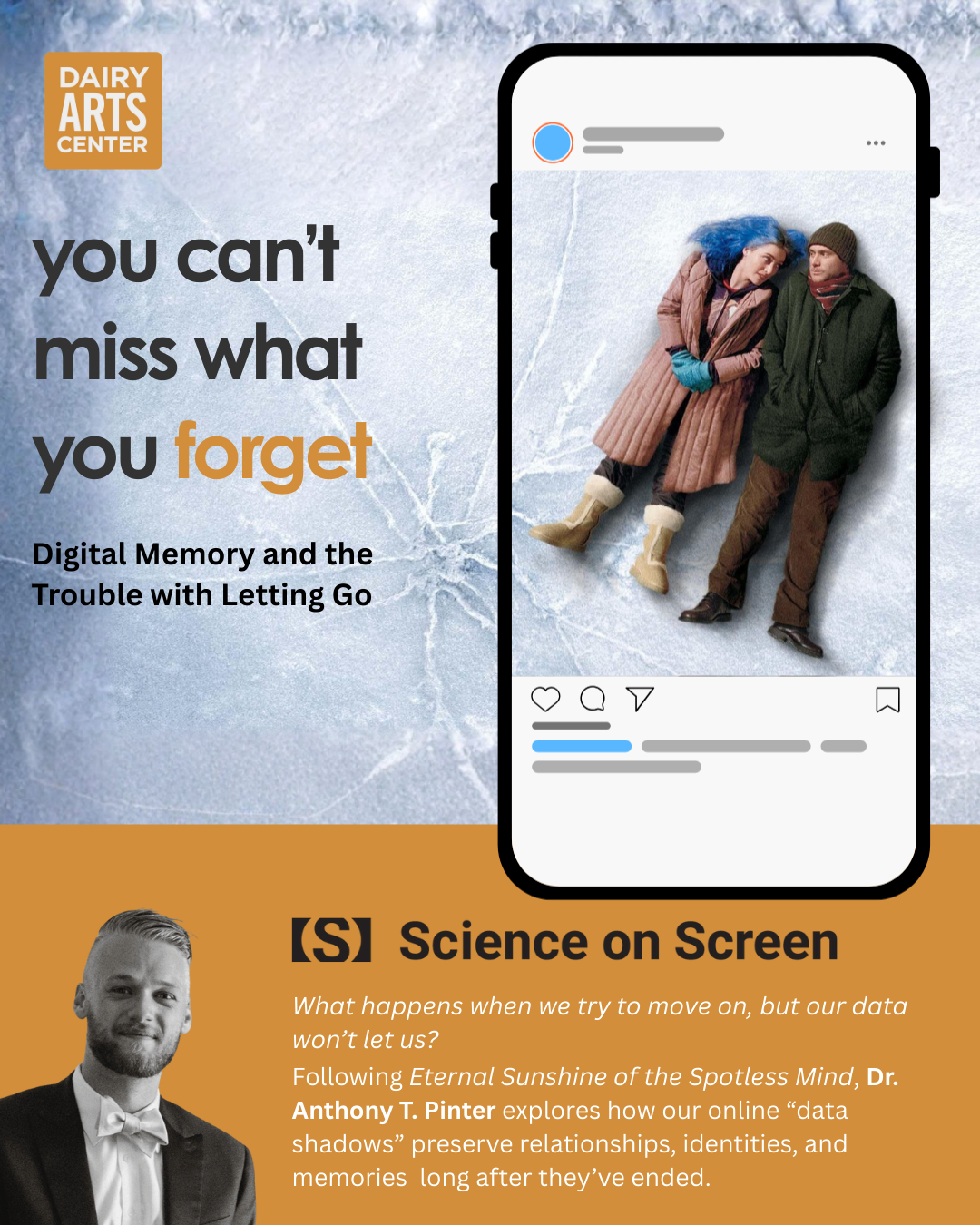
Following Eternal Sunshine of the Spotless Mind, Dr. Anthony T. Pinter explores how our online “data shadows” preserve relationships, identities, and memories long after they’ve ended.
As our lives change, the data that represents us often doesn’t, leaving behind digital versions of ourselves that no longer fit who we are now. The potential for incongruence between us and our online “data shadows” can be problematic during life transitions, or moments where our identities change significantly (e.g., coming out, dying, becoming a parent, amongst others). We may move on, but our data shadows follow; resurfacing data to make recommendations and encouraging us to reminisce.
Much like sorting through the physical objects of sentimental value, our data must also be considered in the aftermath of life transitions; some want to delete everything, others prefer to keep and revisit it. Drawing from research on romantic breakups and digital identity, this talk looks at how people decide what to do with the data left behind after a relationship ends. From the framework of two curatorial philosophies – the archivist and revisionist – Dr. Pinter will discuss how people make decisions about what to do with their data, how they enact those decisions, and how to contend with the algorithmic curator.
Blending themes of memory, loss, and control, this Science on Screen conversation asks a deceptively simple question: in a world where forgetting isn’t entirely up to us, what does it really mean to let go?
Introduction & film screening: 1:00 PM; Scientific Lecture 3:00 PM
DR. ANTHONY T. PINTER is an Assistant Teaching Professor of Creative Technology & Design in the ATLAS Institute at the University of Colorado Boulder. He holds a BS and MS in Information Sciences and Technology from the Pennsylvania State University, and an MS and PhD in Information Science from the University of Colorado Boulder. Dr. Pinter’s scholarship focuses on the experiences people have during life transitions and how those experiences are translated into data and online identities. He is specifically interested in how people make decisions about what to do with the data left behind after a romantic relationship ends, how those decisions contribute to the formation of post-break-up identities, and how to design systems to support that decision-making. Dr. Pinter’s work has appeared in top-tier journals and conferences such as the ACM Conference on Computer-Supported Cooperative Work and Social Computing (CSCW).
ABOUT THE FILM
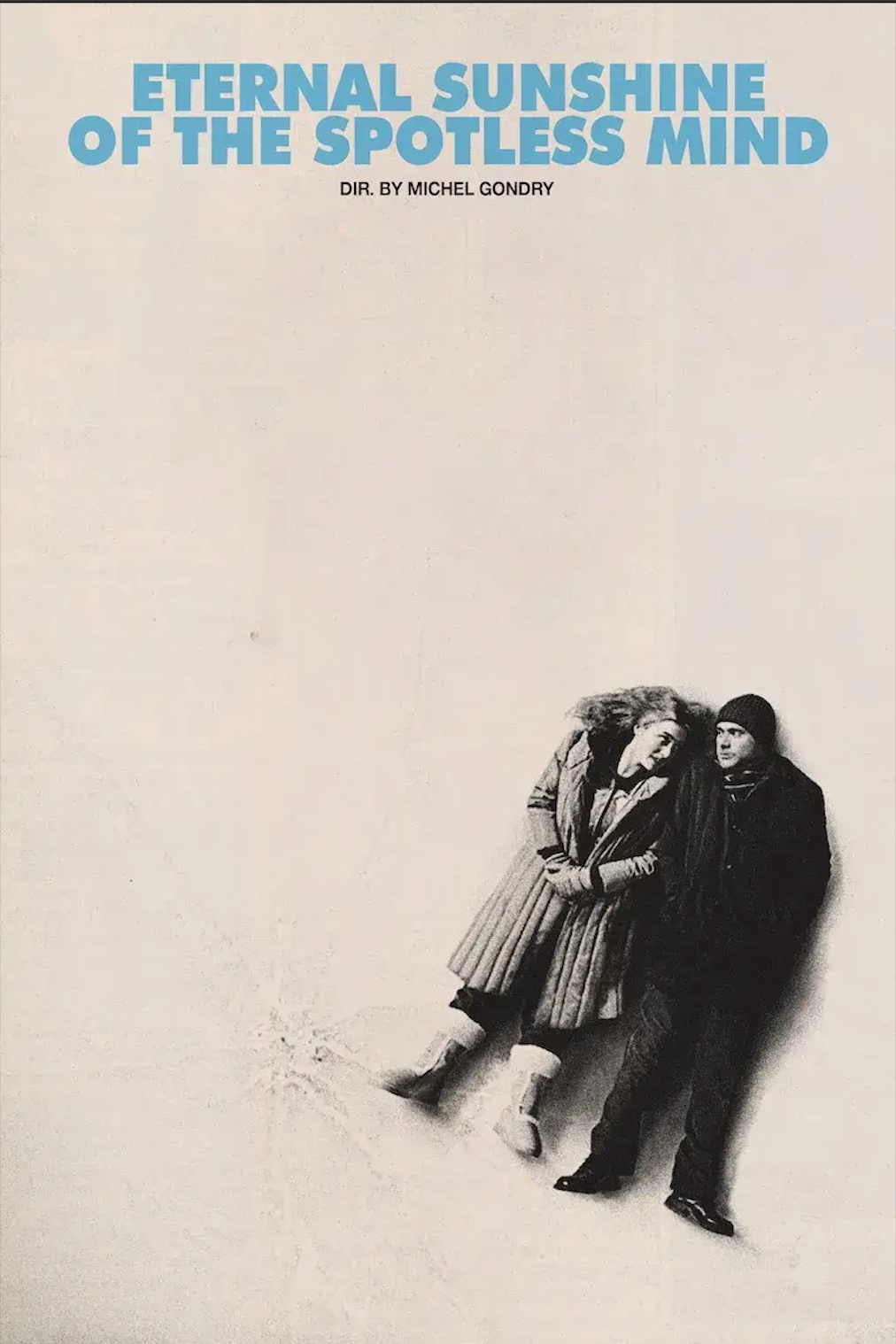
ETERNAL SUNSHINE OF THE SPOTLESS MIND
After a painful breakup, Clementine (Kate Winslet) undergoes a procedure to erase memories of her former boyfriend Joel (Jim Carrey) from her mind. When Joel discovers that Clementine is going to extremes to forget their relationship, he undergoes the same procedure and slowly begins to forget the woman that he loved. Directed by Michel Gondry, this visually arresting film explores the intricacy of relationships and the pain of loss. Recently named one of the 100 Best Movies of the 21st Century. (Michel Gondry, 2004, USA, 1:48, R)
As of today, 3/12/2020, The Dairy Arts Center remains open and operational. Should scheduling changes occur, ticket holders will be directly notified by The Dairy Arts Center.
If you have a question about an event please contact the presenting arts organization. For films, Dairy Presents and all other questions contact the Box Office at 303.440.7826


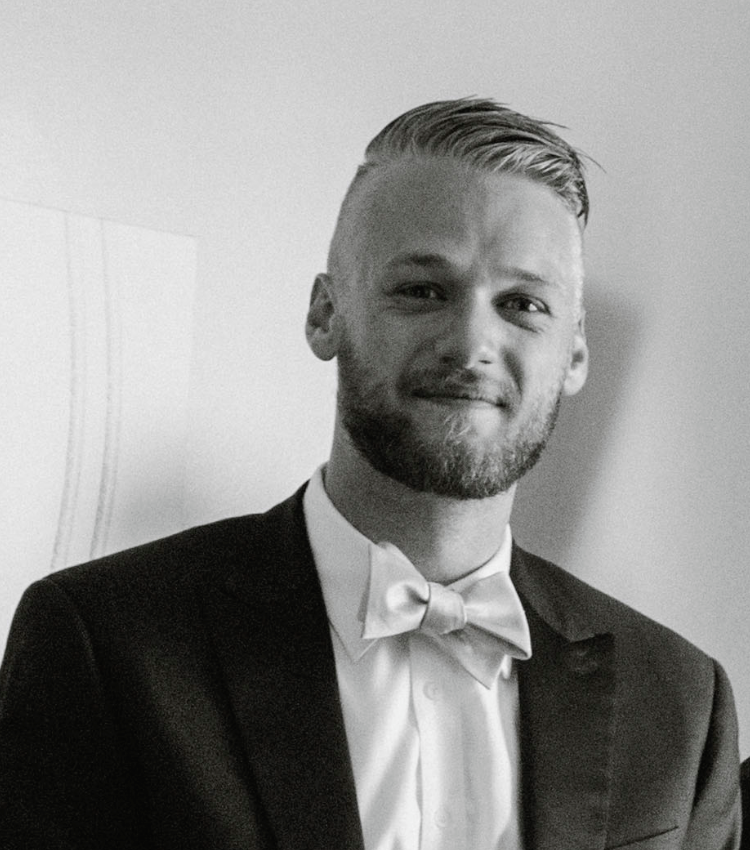 DR. ANTHONY T. PINTER is an Assistant Teaching Professor of Creative Technology & Design in the ATLAS Institute at the University of Colorado Boulder. He holds a BS and MS in Information Sciences and Technology from the Pennsylvania State University, and an MS and PhD in Information Science from the University of Colorado Boulder. Dr. Pinter’s scholarship focuses on the experiences people have during life transitions and how those experiences are translated into data and online identities. He is specifically interested in how people make decisions about what to do with the data left behind after a romantic relationship ends, how those decisions contribute to the formation of post-break-up identities, and how to design systems to support that decision-making. Dr. Pinter’s work has appeared in top-tier journals and conferences such as the ACM Conference on Computer-Supported Cooperative Work and Social Computing (CSCW).